>

>

Next-Generation Tuberculosis Diagnostics: Global Deployment Strategies

>

>

Next-Generation Tuberculosis Diagnostics: Global Deployment Strategies

>

>

Next-Generation Tuberculosis Diagnostics: Global Deployment Strategies

Next-Generation Tuberculosis Diagnostics: Global Deployment Strategies

Deploying molecular screening systems in low-resource environments requires operational directors with deep international supply chain and NGO partnerships experience.

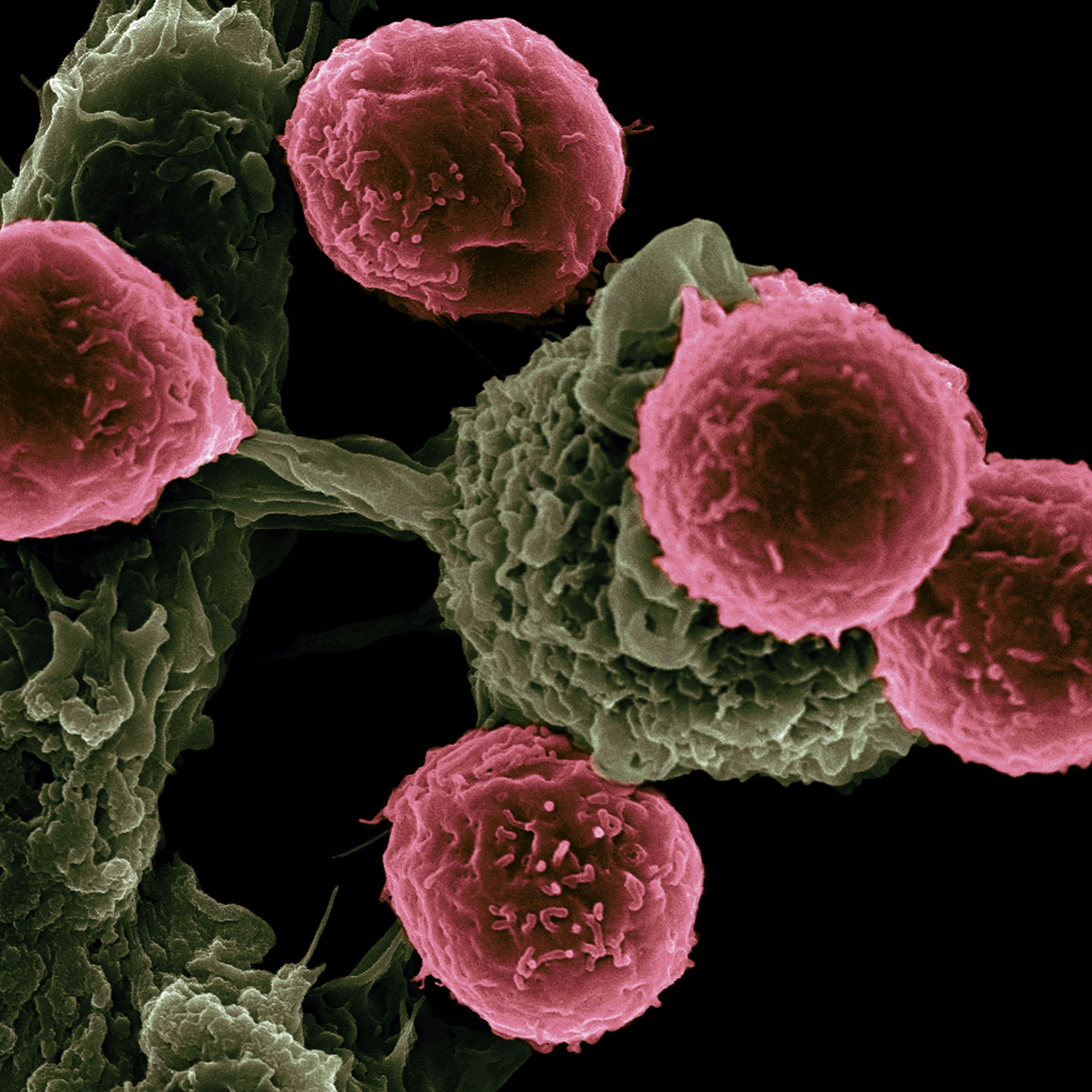
Diagnostics deployment image representing next-generation tuberculosis testing strategies for global health systems.

Closing the Diagnostic Gap

Tuberculosis (TB) remains one of the world's deadliest infectious diseases, particularly in low- and middle-income countries (LMICs). Historically, TB control has been hindered by a massive "diagnostic gap," where slow, low-sensitivity sputum smear microscopy failed to detect drug-resistant strains or identify active cases in a timely manner. To address this, the World Health Organization (WHO) has updated its consolidated guidelines to recommend near-point-of-care (NPOC) molecular nucleic acid amplification tests (NAATs) as the initial diagnostic tool for all suspected cases.

While next-generation molecular platforms—such as Cepheid's GeneXpert and portable, low-complexity NAATs—offer PCR-quality sensitivity within hours, scaling these diagnostics globally is an immense operational challenge. Successfully deploying complex molecular testing systems in low-resource, rural environments depends on securing Operational Directors who possess deep experience in global health logistics and multilateral NGO partnerships.

Logistical Realities of Low-Resource Deployments

Deploying high-tech molecular diagnostics in remote clinics across high-burden countries (such as Kenya, Nigeria, Bangladesh, and Indonesia) requires overcoming severe environmental and infrastructural barriers:

  • Infrastructural Deficits: Many rural clinics lack stable electricity, requiring operational leaders to source battery-supported or solar-powered diagnostic hardware and manage robust reagent shelf-life and cold-chain integrity.

  • Sample Transport Networks: Establishing efficient, secure networks to transport patient swabs or sputum samples from remote communities to central referral hubs for secondary drug-resistance (DR-TB) confirmation.

  • Stockout Prevention: Managing complex inventory and distribution pipelines to ensure a continuous supply of test cartridges and reagents, preventing clinical downtime in high-volume clinics.

Navigating Multilateral NGO Partnerships

Global diagnostics deployment is rarely funded or managed by a single corporate entity. Sponsoring firms must operate within a complex ecosystem of multilateral organisations, national ministries of health, and non-governmental organisations (NGOs):

  • The Global Fund Initiative: A major 2026 initiative led by the Global Fund to Fight AIDS, Tuberculosis and Malaria is currently deploying nearly 3 million NPOC molecular diagnostic tests across 13 high-burden countries.

  • Public-Private Collaboration: Managing collaborations with organisations like the Partnership for Supply Chain Management (PFSCM) and implementation NGOs (such as the Aurum Institute) to integrate new testing workflows into existing local health infrastructures.

  • Access Pricing Models: Negotiating sustainable, at-cost cartridge pricing models with global donors to balance commercial viability with public health access mandates.

Sourcing Operational and Supply Chain Directors

Succeeding in global health markets requires an Operations Director or Supply Chain Lead with specific experience in international development and LMIC logistics. Executives from standard commercial laboratory backgrounds often struggle with the regulatory prequalification, tender processes, and infrastructural challenges of global health delivery.

RSA prioritises several core competencies when placing operational leadership in this sector:

  • Global Health Logistics Track Record: A proven history of managing supply chains and medical device deployments in developing countries, navigating complex customs clearances, and establishing rural distribution networks.

  • Multilateral Partnership Management: Experience working alongside the WHO, Global Fund, USAID, and local ministries of health to coordinate large-scale public health programmes.

  • Local Capacity Integration: The ability to design and implement training programmes for local healthcare workers, ensuring diagnostic hardware is operated correctly and integrated with local clinical treatment pathways.

By securing operational leaders who can combine technical logistics expertise with relationship management in the NGO sector, diagnostics firms can bridge the gap between scientific innovation and community-level healthcare delivery, contributing to the global eradication of tuberculosis.

Related Posts

Oncology clinical development image representing KRAS G12C inhibitor progression in pancreatic cancer.

on

29 Jan 2026

The clinical validation of next-generation oncology therapeutics brings hope to difficult-to-treat cancers. Sourcing medical directors specialised in solid tumours is critical.

Metabolic therapy image representing oral GLP-1 therapeutics and the next frontier in obesity care.

on

27 Jan 2026

The shift from injectable to oral GLP-1 formulations is transforming the metabolic sector. Discover the commercialisation capabilities required to lead these multi-billion pound launches.

Speciality pharma dealmaking image representing late-stage asset licensing and value creation.

on

27 Nov 2025

Partnering late-stage molecules requires business development executives with a proven track record of structure-maximising deal negotiations.

Speciality pharma launch image representing the commercialisation of Rezdiffra as the first approved MASH therapy.

on

15 Aug 2025

Launching a therapy in a newly defined disease area presents unique market-access challenges. We analyse the commercial competencies required to build new treatment pathways.

Radiopharmaceutical therapy image representing targeted alpha therapies in oncology development.

on

8 Feb 2025

The clinical success of Actinium-225 conjugates has sparked a race for specialised production capacity. We explore the recruitment of operational leaders who speak the language of nuclear medicine.

Conceptual neuroscience therapy image representing commercial pathways for amyloid-targeting Alzheimer’s treatments.

on

14 Nov 2024

Navigating the European reimbursement landscape for disease-modifying dementia treatments requires commercial leadership with deep regional health technology assessment (HTA) expertise.

Oncology clinical development image representing KRAS G12C inhibitor progression in pancreatic cancer.

on

29 Jan 2026

The clinical validation of next-generation oncology therapeutics brings hope to difficult-to-treat cancers. Sourcing medical directors specialised in solid tumours is critical.

Metabolic therapy image representing oral GLP-1 therapeutics and the next frontier in obesity care.

on

27 Jan 2026

The shift from injectable to oral GLP-1 formulations is transforming the metabolic sector. Discover the commercialisation capabilities required to lead these multi-billion pound launches.

Speciality pharma dealmaking image representing late-stage asset licensing and value creation.

on

27 Nov 2025

Partnering late-stage molecules requires business development executives with a proven track record of structure-maximising deal negotiations.

Speciality pharma launch image representing the commercialisation of Rezdiffra as the first approved MASH therapy.

on

15 Aug 2025

Launching a therapy in a newly defined disease area presents unique market-access challenges. We analyse the commercial competencies required to build new treatment pathways.

Secure Your Next Life Science Leader

Move beyond generic search to provide a data-driven overview of your leadership's impact on clinical acceleration.

100%

Executive Retention ~12mo

5,600

Succesful Appointments

94%

Client Satisfacion Rate

6,800+

Subscribed Leaders & Executives

Life sciences advisory image representing specialist leadership search and clinical sector expertise.

United Kingdom

RSA Consulting Ltd & RSA Interims Ltd

The Gate House, Fretherne Road

Welwyn Garden City

Hertfordshire, AL8 6NS

+44 (0) 203 818 8820

hq@thersagroup.com


RSA Consulting Ltd (Company No: 01803896) and RSA Interims Ltd (Company No: 08433229), both registered in England and Wales.

Germany

RSA Consulting GmbH

Theodor-Heuss-Allee 112

60486 Frankfurt

+49 69 667741-470

hq@thersagroup.com


Represented by Nicholas D. Stephens, Kristian Juergensen


Registered in the Commercial Register (Handelsregister), Registration Court: District Court (Amtsgericht) Frankfurt am Main, Register Number: HRB 73074


German VAT Registration Number: VAT registration number according to § 27a of the German Value Added Tax Act (Umsatzsteuergesetz): DE 814 029 343

Switzerland

RSA AG

Hochbergerstrasse 70

4057 Basel

+41 61 563 0188

hq@thersagroup.com


Represented by Nicholas D. Stephens, Kristian Juergensen, Peter Dahinden


Swiss Register Entry & UID: Registered in the Commercial Register (Handelsregister), UID / Enterprise Identification Number: CHE-109.711.591

Singapore

The RSA Group Pte.Ltd

808 French Road

Kitchener Complex 

#07-163

Singapore 200808

+65 6 294 4588,

hq@thersagroup.com


Company EA Number: 07S5575.

Nicholas D. Stephens EA Registration Number: R1107308.

The RSA Group operates through RSA (Holdings) Ltd and its subsidiaries; RSA Consulting Ltd , RSA Interims Ltd , both registered in England and Wales and RSA Consulting GmbH, RSA AG and The RSA Group Pte.Ltd. Registered Office for RSA Holding is: The Gate House, Fretherne Road, Welwyn Garden City, Hertfordshire, AL8 6NS. The RSA Group is a premier global executive search, interim / fractional leadership and advisory firm specialising exclusively in the Life Sciences sector, dedicated to uniting leadership with innovation-driven organisations to accelerate the discovery and delivery of therapies. Registered with the Information Commissioner’s Office (ICO) in full compliance with the Data Protection Act 2018 and UK GDPR.