>

>

AAV Gene Therapy for Hereditary Deafness: Clinical Progression

>

>

AAV Gene Therapy for Hereditary Deafness: Clinical Progression

>

>

AAV Gene Therapy for Hereditary Deafness: Clinical Progression

AAV Gene Therapy for Hereditary Deafness: Clinical Progression

Gene therapies targeting genetic hearing loss have delivered landmark clinical successes. We examine the operational hurdles of scaling gene therapy delivery platforms.


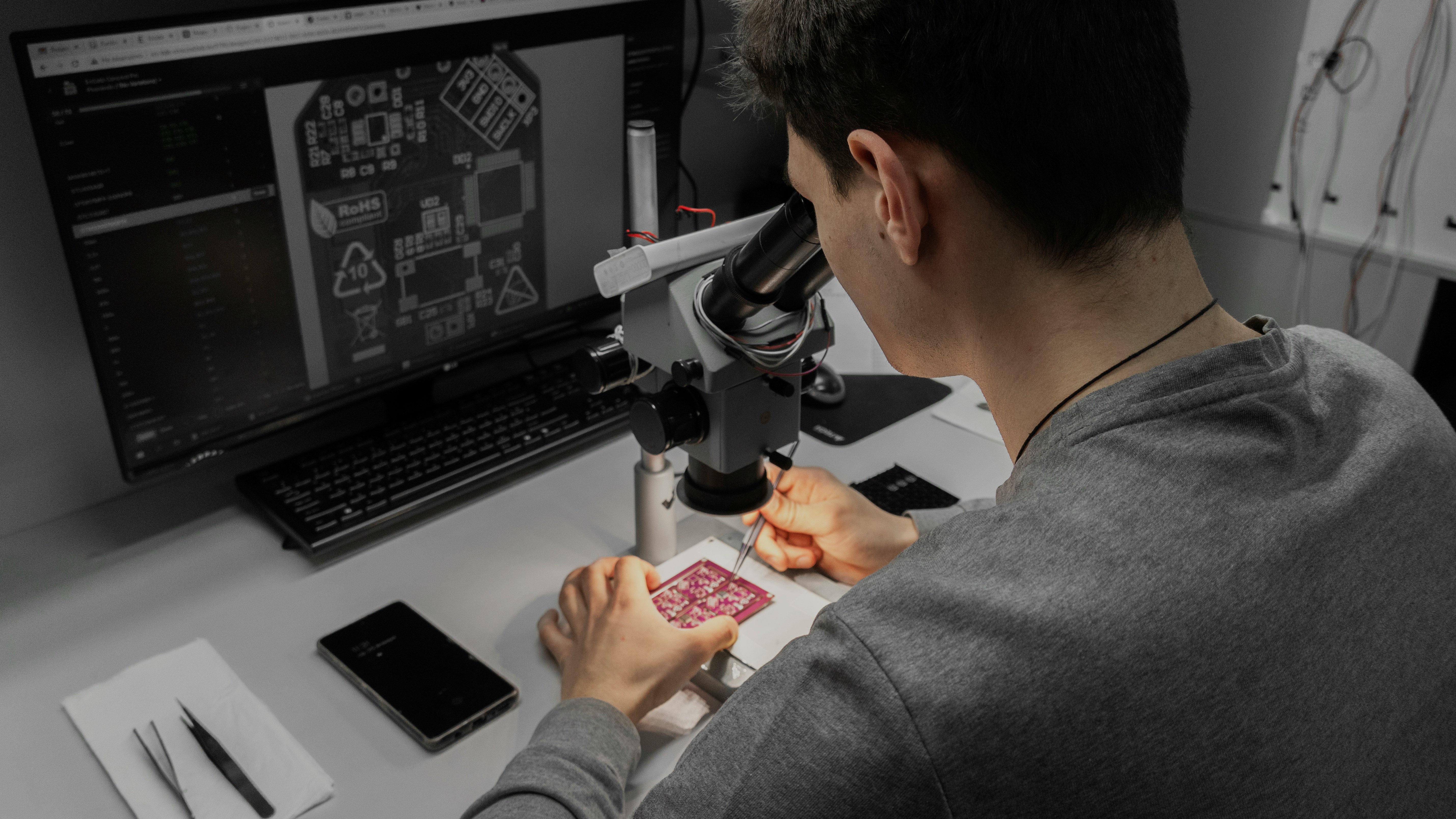
Conceptual gene therapy image representing AAV treatment development for hereditary deafness.

A Landmark Milestone in Otology

Gene therapy has historically targeted systemic or ophthalmic conditions. However, the recent accelerated FDA approval of Otarmeni (lunsotogene parvec-cwha)—the first-ever gene therapy approved to treat severe-to-profound hearing loss associated with biallelic OTOF (otoferlin) gene mutations—has established a new paradigm in regenerative otology.

Data from pivotal clinical trials, including the CHORD study for Otarmeni and the AK-OTOF-101 trial developed by Eli Lilly/Akouos, have demonstrated historic efficacy. Children born with profound genetic deafness have had their physiological hearing restored, with significant portions of trial cohorts achieving normal hearing levels. While these clinical successes validate the therapeutic approach, translating these results into a scalable, global treatment model introduces severe operational and surgical bottlenecks.

The Surgical Hurdle: Intracochlear Delivery

Unlike systemic gene therapies delivered via standard intravenous infusion, therapeutics for genetic hearing loss require highly localised delivery:

  • Microinjection via the Round Window: The AAV vector must be injected directly into the inner ear (cochlea) through the round window membrane. This requires a delicate microinjection procedure that must be executed with absolute precision to prevent mechanical damage to the cochlear structures.

  • Global Surgeon Training: Scaling this therapy requires establishing global surgeon-training programmes. Otolaryngologists and ENT surgeons worldwide must be trained and certified on standardized injection devices, surgical protocols, and safety procedures.

  • Paediatric Considerations: The target patient population consists of infants and young children (ideally treated before speech development). Performing delicate inner-ear microinjections on pediatric anatomy requires a high degree of specialised surgical skill.

The Manufacturing Complexity of Dual-AAV Vectors

From a CMC (Chemistry, Manufacturing, and Controls) perspective, OTOF gene therapies present a unique biological challenge. The otoferlin gene is too large (~6kb) to fit within the standard packaging capacity of a single adeno-associated virus (AAV) vector (~4.7kb).

To circumvent this limitation, developers utilise dual-AAV vector platforms. The gene is split into two halves, packaged into separate vectors, and co-delivered to the target inner hair cells, where they recombine to form the full-length otoferlin protein. Manufacturing two distinct vector batches under GMP conditions and ensuring equal co-transduction efficiency in vivo significantly increases CMC complexity and cost compared to single-vector platforms.

Sourcing Operations Leaders for Localised Delivery

Scaling these advanced therapeutics requires Clinical Operations Directors who have specific experience in localized delivery platforms (such as intraocular, intrathecal, or intracochlear delivery) rather than standard systemic therapies.

RSA prioritises several core competencies when sourcing operational leadership for advanced otology platforms:

  • Surgical Network Scaling: Experience establishing global clinical trial networks, managing relationships with leading academic medical centres, and coordinating multi-site surgeon training and certification initiatives.

  • Dual-Vector CMC Oversight: Sourcing manufacturing directors who can manage the production complexities of split-vector systems, ensuring consistency in vector ratios and product purity.

  • Early Patient Identification Operations: Collaborating with medical affairs teams to establish early genetic screening programmes at birth, identifying candidates with biallelic OTOF variants before speech delays set in.

The clinical validation of hearing restoration is complete; the next phase is operational. Securing clinical operations leaders who can scale the delivery and surgical infrastructure is the primary requirement to transition these landmark therapies from clinical trials into standard global medical practice.

Related Posts

Vaccine development image representing universal mRNA influenza vaccines moving into Phase III registration trials.

on

20 May 2026

Universal seasonal flu vaccines are entering late-stage trials. Discover the regulatory affairs leaders needed to navigate these international registration programmes.

Drug delivery platform image representing exosome-based therapeutics reaching clinical trial milestones.

on

10 Dec 2025

Directing drug delivery to targeted tissues remains a major challenge. Sourcing translational scientists specialised in exosome engineering is critical to pipeline validation.

RNA therapy image representing ADAR-mediated editing platforms entering clinical development.

on

22 Sept 2025

With drug-resistant superbugs on the rise, phage therapy is securing clinical validation. We discuss the scientific leaders pioneering this therapeutic shift.

Conceptual image of personalised therapeutic development representing scalable regulatory pathways for N-of-1 customised medicines.

on

5 Sept 2025

Truly personalised genomic medicines require bespoke clinical trial designs. We review the regulatory affairs directors capable of establishing novel validation pathways.

Conceptual image of targeted protein degradation representing PROTAC development for solid tumour clinical trials.

on

9 Jun 2025

Molecular glues are validating novel oncological targets. Sourcing translational medicine directors specialised in protein degradation is key to entering clinical phases.

Conceptual genomic therapy image representing next-generation CRISPR base and prime editing progressing into clinical use.

on

22 Feb 2025

As next-gen genomic therapies enter human trials, developers must secure medical directors with proven clinical-stage safety validation expertise.

Vaccine development image representing universal mRNA influenza vaccines moving into Phase III registration trials.

on

20 May 2026

Universal seasonal flu vaccines are entering late-stage trials. Discover the regulatory affairs leaders needed to navigate these international registration programmes.

Drug delivery platform image representing exosome-based therapeutics reaching clinical trial milestones.

on

10 Dec 2025

Directing drug delivery to targeted tissues remains a major challenge. Sourcing translational scientists specialised in exosome engineering is critical to pipeline validation.

RNA therapy image representing ADAR-mediated editing platforms entering clinical development.

on

22 Sept 2025

With drug-resistant superbugs on the rise, phage therapy is securing clinical validation. We discuss the scientific leaders pioneering this therapeutic shift.

Conceptual image of personalised therapeutic development representing scalable regulatory pathways for N-of-1 customised medicines.

on

5 Sept 2025

Truly personalised genomic medicines require bespoke clinical trial designs. We review the regulatory affairs directors capable of establishing novel validation pathways.

Secure Your Next Life Science Leader

Move beyond generic search to provide a data-driven overview of your leadership's impact on clinical acceleration.

100%

Executive Retention ~12mo

5,600

Succesful Appointments

94%

Client Satisfacion Rate

6,800+

Subscribed Leaders & Executives

Life sciences advisory image representing specialist leadership search and clinical sector expertise.

United Kingdom

RSA Consulting Ltd & RSA Interims Ltd

The Gate House, Fretherne Road

Welwyn Garden City

Hertfordshire, AL8 6NS

+44 (0) 203 818 8820

hq@thersagroup.com


RSA Consulting Ltd (Company No: 01803896) and RSA Interims Ltd (Company No: 08433229), both registered in England and Wales.

Germany

RSA Consulting GmbH

Theodor-Heuss-Allee 112

60486 Frankfurt

+49 69 667741-470

hq@thersagroup.com


Represented by Nicholas D. Stephens, Kristian Juergensen


Registered in the Commercial Register (Handelsregister), Registration Court: District Court (Amtsgericht) Frankfurt am Main, Register Number: HRB 73074


German VAT Registration Number: VAT registration number according to § 27a of the German Value Added Tax Act (Umsatzsteuergesetz): DE 814 029 343

Switzerland

RSA AG

Hochbergerstrasse 70

4057 Basel

+41 61 563 0188

hq@thersagroup.com


Represented by Nicholas D. Stephens, Kristian Juergensen, Peter Dahinden


Swiss Register Entry & UID: Registered in the Commercial Register (Handelsregister), UID / Enterprise Identification Number: CHE-109.711.591

Singapore

The RSA Group Pte.Ltd

808 French Road

Kitchener Complex 

#07-163

Singapore 200808

+65 6 294 4588,

hq@thersagroup.com


Company EA Number: 07S5575.

Nicholas D. Stephens EA Registration Number: R1107308.

The RSA Group operates through RSA (Holdings) Ltd and its subsidiaries; RSA Consulting Ltd , RSA Interims Ltd , both registered in England and Wales and RSA Consulting GmbH, RSA AG and The RSA Group Pte.Ltd. Registered Office for RSA Holding is: The Gate House, Fretherne Road, Welwyn Garden City, Hertfordshire, AL8 6NS. The RSA Group is a premier global executive search, interim / fractional leadership and advisory firm specialising exclusively in the Life Sciences sector, dedicated to uniting leadership with innovation-driven organisations to accelerate the discovery and delivery of therapies. Registered with the Information Commissioner’s Office (ICO) in full compliance with the Data Protection Act 2018 and UK GDPR.