>

>

Targeted Protein Degraders: Advancing PROTACs into Solid Tumour Trials

>

>

Targeted Protein Degraders: Advancing PROTACs into Solid Tumour Trials

>

>

Targeted Protein Degraders: Advancing PROTACs into Solid Tumour Trials

Targeted Protein Degraders: Advancing PROTACs into Solid Tumour Trials

Molecular glues are validating novel oncological targets. Sourcing translational medicine directors specialised in protein degradation is key to entering clinical phases.


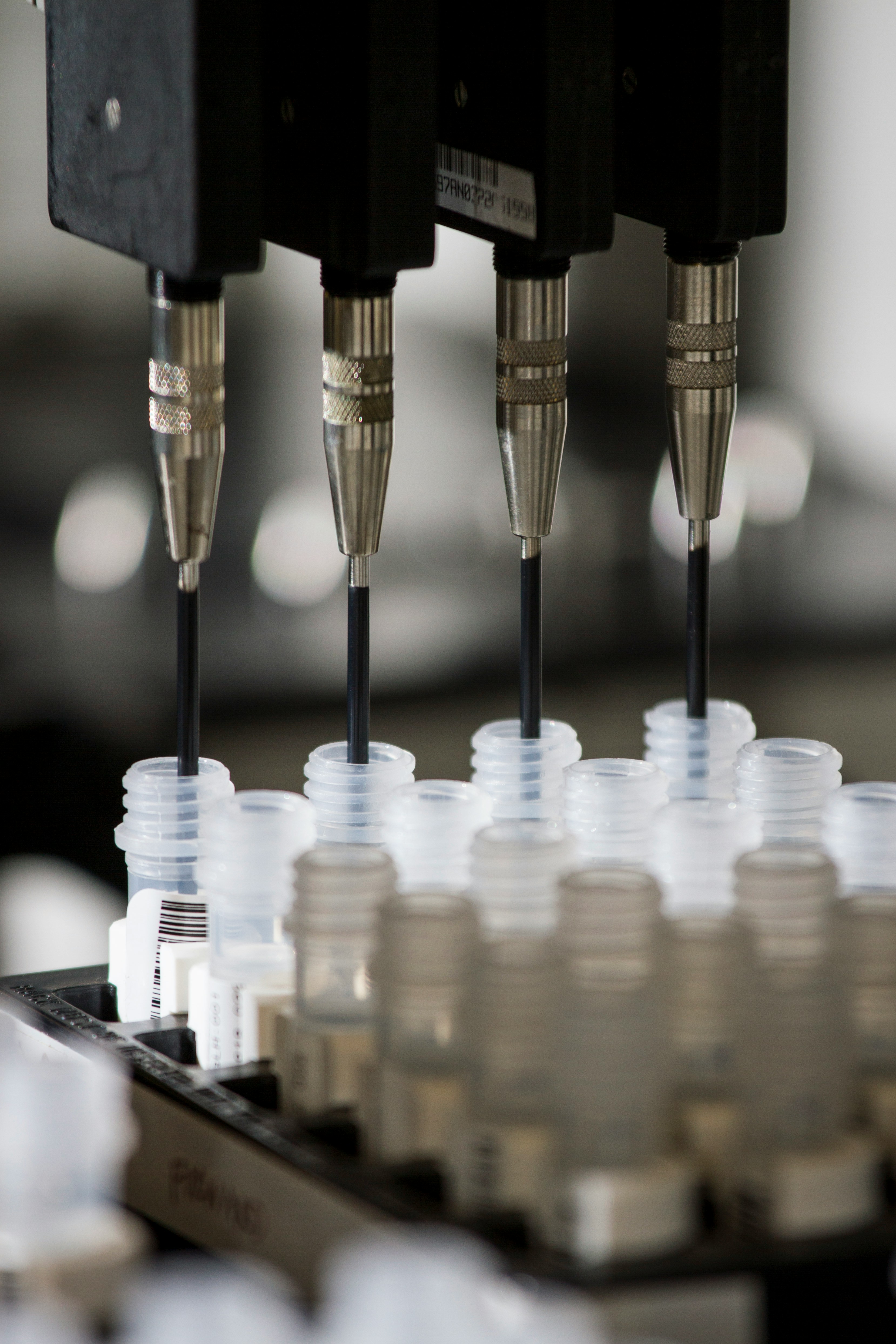
Conceptual image of targeted protein degradation representing PROTAC development for solid tumour clinical trials.

The Evolution of Targeted Degradation

Targeted protein degradation (TPD) represents one of the most significant therapeutic innovations in oncology. While traditional small-molecule inhibitors must bind to active sites to block protein function, targeted degraders—specifically Proteolysis-Targeting Chimeras (PROTACs) and molecular glues—recruit the cell's own ubiquitin-proteasome machinery to systematically destroy the disease-causing protein.

For years, the clinical validation of TPD was concentrated in haematological cancers. However, the sector is experiencing a major expansion as candidates enter clinical trials for solid tumours, targeting historically "undruggable" oncogenic proteins. Moving these large, bi-functional molecules into solid tumour trials requires a rigorous translational strategy and specialised clinical leadership.

Validating the Modality: Clinical Milestones

The clinical and regulatory viability of PROTACs in solid tumours has achieved critical validation through several advanced candidates:

  • Vepdegestrant (ARV-471): Developed for ER+/HER2− breast cancer, this estrogen receptor-degrading PROTAC demonstrated significant progression-free survival benefits. Following priority review, it is progressing rapidly through the global regulatory approval pipeline, serving as a landmark precedent for PROTAC efficacy in solid oncology.

  • Diversifying E3 Ligases: Historically, degraders have relied almost exclusively on Cereblon (CRBN) or Von Hippel-Lindau (VHL) E3 ligases. In 2025, drug developers are increasingly utilising structural biology and AI-driven drug design to identify novel E3 ligase binders, aiming to circumvent resistance mechanisms and broaden the targetable proteome.

  • Molecular Glue Progress: Candidates like ST-01156 have secured FDA IND clearances to initiate Phase I investigations in advanced solid tumours, demonstrating the industry's ability to develop smaller, more orally bioavailable degraders.

The Translational Challenge: PK/PD and Biomarker Development

Advancing targeted degraders into solid tumour trials presents unique pharmacological complexities that traditional oncology drugs do not share:

  • The Hook Effect: Because PROTACs function catalytically (one degrader molecule can destroy multiple target proteins), they exhibit a non-linear pharmacodynamic profile. At excessively high doses, binary complexes form rather than the active ternary complex, reducing degradation efficiency. Translational teams must carefully model this "hook effect" to define the optimal biological dose rather than the maximum tolerated dose.

  • Target and Ligase Expression: Success in solid tumours depends on confirming that both the target oncogenic protein and the recruited E3 ligase are expressed in the tumour microenvironment.

  • Biomarker Assays: Developing quantitative assays to measure target protein degradation in patient biopsies is critical to demonstrating early proof-of-mechanism.

The Talent Profile: Scoping the Translational Medicine Director

Entering Phase I/II solid tumour trials requires a highly specialised Translational Medicine Director with direct experience in protein degradation. General oncology drug developers often struggle with the catalytic pharmacology and complex PK/PD relationships of TPD.

RSA has identified the essential competencies for translational leaders in this space:

  • TPD Pharmacological Fluency: A deep scientific background in ubiquitin-proteasome biology, ternary complex kinetics, and E3 ligase recruitment.

  • Biomarker Assay Engineering: A proven track record in developing and validating pharmacodynamic biomarker assays (e.g., quantitative western blot, mass spectrometry) for solid tumour tissues.

  • Strategic Phase I Design: Experience in designing first-in-human dose-escalation protocols that account for non-linear PK/PD modeling, satisfying regulatory safety standards while optimizing therapeutic efficacy.

As pharmaceutical organisations invest billions in TPD licensing agreements, securing translational directors who can navigate the operational and scientific complexities of solid tumour trials is the primary driver of portfolio value.

Related Posts

Vaccine development image representing universal mRNA influenza vaccines moving into Phase III registration trials.

on

20 May 2026

Universal seasonal flu vaccines are entering late-stage trials. Discover the regulatory affairs leaders needed to navigate these international registration programmes.

Drug delivery platform image representing exosome-based therapeutics reaching clinical trial milestones.

on

10 Dec 2025

Directing drug delivery to targeted tissues remains a major challenge. Sourcing translational scientists specialised in exosome engineering is critical to pipeline validation.

RNA therapy image representing ADAR-mediated editing platforms entering clinical development.

on

22 Sept 2025

With drug-resistant superbugs on the rise, phage therapy is securing clinical validation. We discuss the scientific leaders pioneering this therapeutic shift.

Conceptual image of personalised therapeutic development representing scalable regulatory pathways for N-of-1 customised medicines.

on

5 Sept 2025

Truly personalised genomic medicines require bespoke clinical trial designs. We review the regulatory affairs directors capable of establishing novel validation pathways.

Conceptual gene therapy image representing AAV treatment development for hereditary deafness.

on

26 May 2025

Gene therapies targeting genetic hearing loss have delivered landmark clinical successes. We examine the operational hurdles of scaling gene therapy delivery platforms.

Conceptual genomic therapy image representing next-generation CRISPR base and prime editing progressing into clinical use.

on

22 Feb 2025

As next-gen genomic therapies enter human trials, developers must secure medical directors with proven clinical-stage safety validation expertise.

Vaccine development image representing universal mRNA influenza vaccines moving into Phase III registration trials.

on

20 May 2026

Universal seasonal flu vaccines are entering late-stage trials. Discover the regulatory affairs leaders needed to navigate these international registration programmes.

Drug delivery platform image representing exosome-based therapeutics reaching clinical trial milestones.

on

10 Dec 2025

Directing drug delivery to targeted tissues remains a major challenge. Sourcing translational scientists specialised in exosome engineering is critical to pipeline validation.

RNA therapy image representing ADAR-mediated editing platforms entering clinical development.

on

22 Sept 2025

With drug-resistant superbugs on the rise, phage therapy is securing clinical validation. We discuss the scientific leaders pioneering this therapeutic shift.

Conceptual image of personalised therapeutic development representing scalable regulatory pathways for N-of-1 customised medicines.

on

5 Sept 2025

Truly personalised genomic medicines require bespoke clinical trial designs. We review the regulatory affairs directors capable of establishing novel validation pathways.

Secure Your Next Life Science Leader

Move beyond generic search to provide a data-driven overview of your leadership's impact on clinical acceleration.

100%

Executive Retention ~12mo

5,600

Succesful Appointments

94%

Client Satisfacion Rate

6,800+

Subscribed Leaders & Executives

Life sciences advisory image representing specialist leadership search and clinical sector expertise.

United Kingdom

RSA Consulting Ltd & RSA Interims Ltd

The Gate House, Fretherne Road

Welwyn Garden City

Hertfordshire, AL8 6NS

+44 (0) 203 818 8820

hq@thersagroup.com


RSA Consulting Ltd (Company No: 01803896) and RSA Interims Ltd (Company No: 08433229), both registered in England and Wales.

Germany

RSA Consulting GmbH

Theodor-Heuss-Allee 112

60486 Frankfurt

+49 69 667741-470

hq@thersagroup.com


Represented by Nicholas D. Stephens, Kristian Juergensen


Registered in the Commercial Register (Handelsregister), Registration Court: District Court (Amtsgericht) Frankfurt am Main, Register Number: HRB 73074


German VAT Registration Number: VAT registration number according to § 27a of the German Value Added Tax Act (Umsatzsteuergesetz): DE 814 029 343

Switzerland

RSA AG

Hochbergerstrasse 70

4057 Basel

+41 61 563 0188

hq@thersagroup.com


Represented by Nicholas D. Stephens, Kristian Juergensen, Peter Dahinden


Swiss Register Entry & UID: Registered in the Commercial Register (Handelsregister), UID / Enterprise Identification Number: CHE-109.711.591

Singapore

The RSA Group Pte.Ltd

808 French Road

Kitchener Complex 

#07-163

Singapore 200808

+65 6 294 4588,

hq@thersagroup.com


Company EA Number: 07S5575.

Nicholas D. Stephens EA Registration Number: R1107308.

The RSA Group operates through RSA (Holdings) Ltd and its subsidiaries; RSA Consulting Ltd , RSA Interims Ltd , both registered in England and Wales and RSA Consulting GmbH, RSA AG and The RSA Group Pte.Ltd. Registered Office for RSA Holding is: The Gate House, Fretherne Road, Welwyn Garden City, Hertfordshire, AL8 6NS. The RSA Group is a premier global executive search, interim / fractional leadership and advisory firm specialising exclusively in the Life Sciences sector, dedicated to uniting leadership with innovation-driven organisations to accelerate the discovery and delivery of therapies. Registered with the Information Commissioner’s Office (ICO) in full compliance with the Data Protection Act 2018 and UK GDPR.