>

>

Targeted Alpha Therapies: Navigating the Radiopharmaceutical Boom

>

>

Targeted Alpha Therapies: Navigating the Radiopharmaceutical Boom

>

>

Targeted Alpha Therapies: Navigating the Radiopharmaceutical Boom

Targeted Alpha Therapies: Navigating the Radiopharmaceutical Boom

The clinical success of Actinium-225 conjugates has sparked a race for specialised production capacity. We explore the recruitment of operational leaders who speak the language of nuclear medicine.

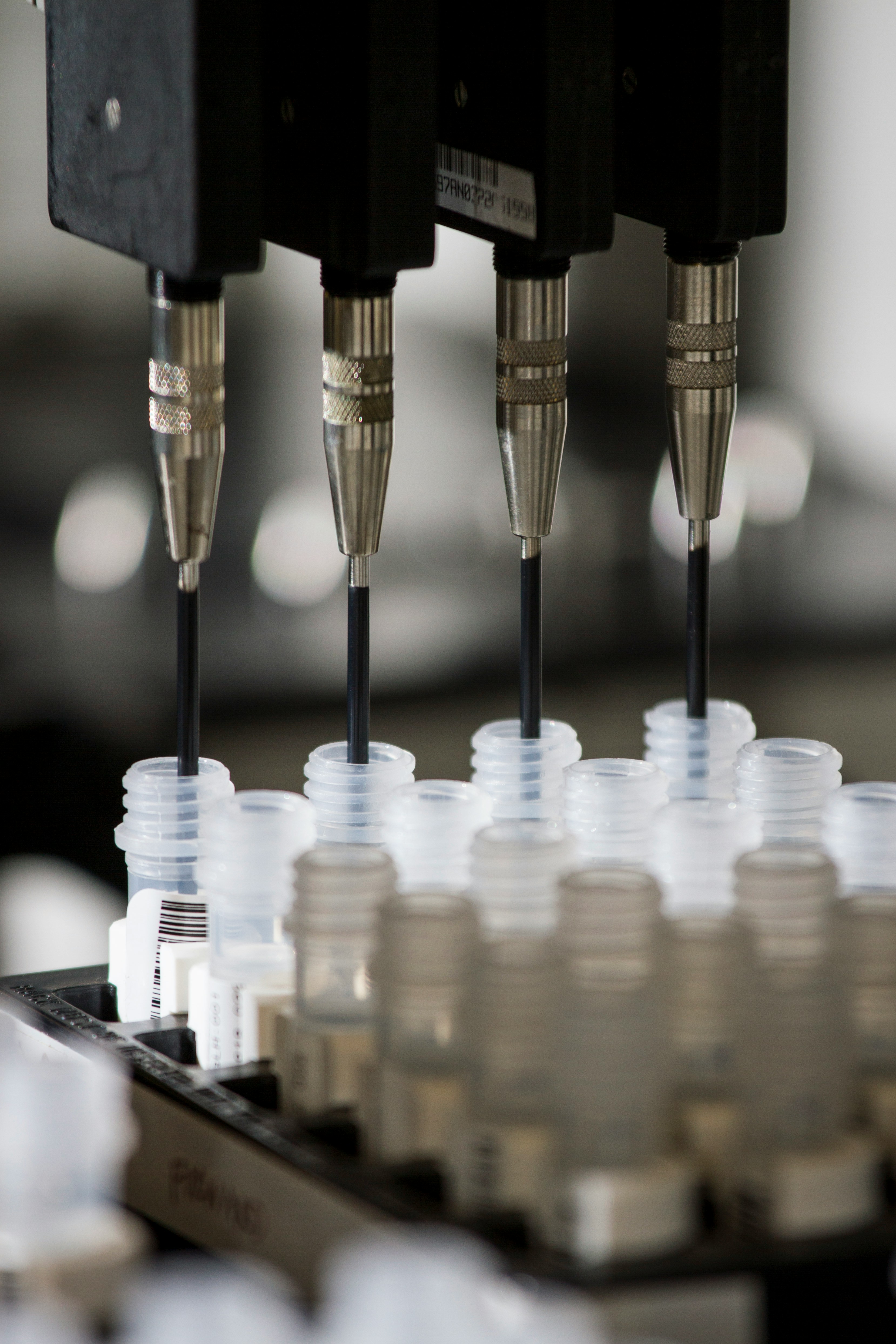
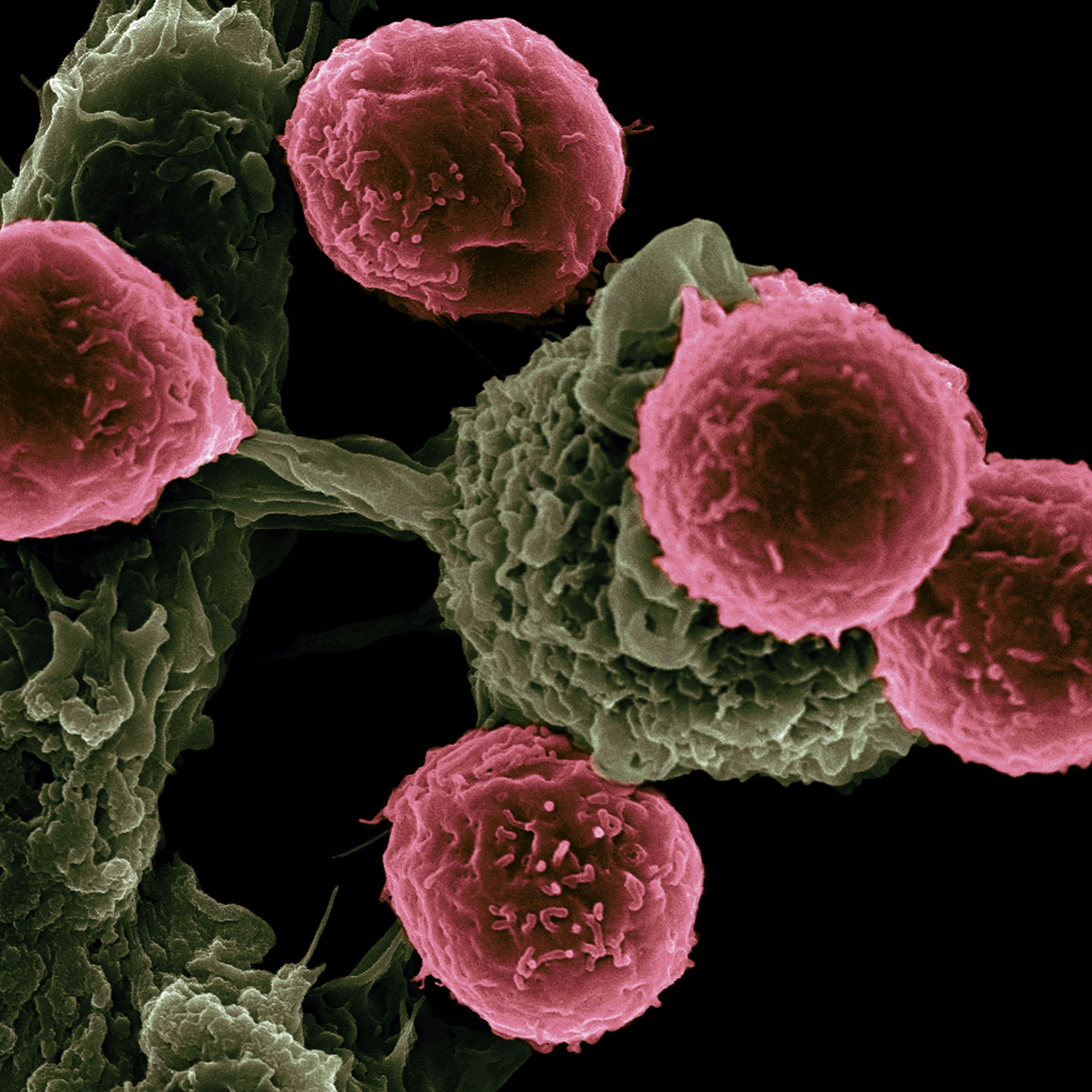
Radiopharmaceutical therapy image representing targeted alpha therapies in oncology development.

The Precision of Alpha Emitters

In oncological drug development, radiopharmaceuticals have transitioned from niche diagnostic imaging tools into highly potent therapeutic agents. While beta-emitting isotopes (such as Lutetium-177, utilized in treatments like Pluvicto) established early commercial success, the next frontier in nuclear oncology is defined by Targeted Alpha Therapies (TATs). By early 2026, targeted alpha therapies account for approximately half of all active Phase I/II radiopharmaceutical trials globally.

TATs utilize heavy radionuclides—most notably Actinium-225 (Ac-225)—to deliver high-energy alpha particles directly to tumor cells via targeting ligands (such as antibodies or peptides). Alpha radiation possesses immense cytolytic power but has an extremely short path length (only a few cell diameters), causing devastating double-stranded DNA breaks in targeted cancer cells while sparing surrounding healthy tissue. However, moving Actinium-225 conjugates from clinical validation to commercial readiness requires overcoming severe supply chain and operational bottlenecks.

Just-in-Time Logistics and the 9.9-Day Half-Life

Succeeding in the radiopharmaceutical market is primarily a supply chain and logistics challenge. Unlike traditional small molecules or biologics that can be stockpiled, radiopharmaceuticals decay constantly:

  • The Half-Life Window: Actinium-225 has a half-life of 9.9 days. From the moment the isotope is produced, the clock is ticking. The drug must be synthesized, quality-controlled, packaged, shipped internationally, and administered to the patient within a highly compressed, patient-specific window.

  • Isotope Scarcity: Global supply of Actinium-225 is extremely limited, relying on cyclotron production or generator decay (from Thorium-229). To prevent clinical trial pauses, sponsoring companies are forced to negotiate long-term supply and vertical integration agreements years in advance.

  • Specialised Infrastructure: Manufacturing facilities (radiopharmacies) must be equipped with specialized shielding, automated hot cells, and advanced cleanrooms, all operated under strict licences from national atomic energy and nuclear regulatory commissions.

Vertical Integration and Facility Scale-Up

To de-risk their pipelines, radiopharmaceutical developers are shifting away from third-party contract manufacturing toward vertical integration. Sponsoring companies are investing hundreds of millions in building proprietary manufacturing sites and establishing dedicated logistics channels. Ensuring these capital-intensive facilities operate at maximum efficiency requires operational leaders who can bridge the gap between traditional pharmaceutical GMP and nuclear physics safety protocols.

Sourcing Leaders for the Nuclear Medicine Frontier

The rapid growth of the radiopharmaceutical sector has created an intense talent bottleneck. Finding Chief Operating Officers (COOs) and VP of Manufacturing candidates who speak the complex language of nuclear medicine is a primary challenge for speciality pharma boards. Sourcing general pharmaceutical operations leaders who lack experience in radiochemistry frequently results in facility design errors and regulatory delays.

RSA prioritises several core competencies when placing operational leaders in this sector:

  • Radiochemistry and Nuclear Medicine Background: Direct experience managing radiopharmaceutical manufacturing operations, with a deep understanding of isotope decay kinetics, labelling chemistry, and hot-cell operations.

  • Just-in-Time Supply Chain Management: A proven track record of managing highly time-sensitive, cold-chain international logistics, coordinating air transport and delivery windows down to the hour.

  • Nuclear Regulatory Fluency: Experience securing licenses and managing compliance audits with nuclear regulatory authorities (such as the NRC in the US, or national atomic energy bodies in Europe).

As Targeted Alpha Therapies redefine the limits of cancer treatment, the winners of the radiopharmaceutical boom will not be decided by clinical outcomes alone, but by operational execution. Securing operations and manufacturing leaders who can navigate the complexities of Actinium-225 sourcing and just-in-time delivery is the primary requirement to transition these highly potent therapies from clinical trials to standard global oncology care.

Related Posts

Oncology clinical development image representing KRAS G12C inhibitor progression in pancreatic cancer.

on

29 Jan 2026

The clinical validation of next-generation oncology therapeutics brings hope to difficult-to-treat cancers. Sourcing medical directors specialised in solid tumours is critical.

Metabolic therapy image representing oral GLP-1 therapeutics and the next frontier in obesity care.

on

27 Jan 2026

The shift from injectable to oral GLP-1 formulations is transforming the metabolic sector. Discover the commercialisation capabilities required to lead these multi-billion pound launches.

Diagnostics deployment image representing next-generation tuberculosis testing strategies for global health systems.

on

15 Jan 2026

Deploying molecular screening systems in low-resource environments requires operational directors with deep international supply chain and NGO partnerships experience.

Speciality pharma dealmaking image representing late-stage asset licensing and value creation.

on

27 Nov 2025

Partnering late-stage molecules requires business development executives with a proven track record of structure-maximising deal negotiations.

Speciality pharma launch image representing the commercialisation of Rezdiffra as the first approved MASH therapy.

on

15 Aug 2025

Launching a therapy in a newly defined disease area presents unique market-access challenges. We analyse the commercial competencies required to build new treatment pathways.

Conceptual neuroscience therapy image representing commercial pathways for amyloid-targeting Alzheimer’s treatments.

on

14 Nov 2024

Navigating the European reimbursement landscape for disease-modifying dementia treatments requires commercial leadership with deep regional health technology assessment (HTA) expertise.

Oncology clinical development image representing KRAS G12C inhibitor progression in pancreatic cancer.

on

29 Jan 2026

The clinical validation of next-generation oncology therapeutics brings hope to difficult-to-treat cancers. Sourcing medical directors specialised in solid tumours is critical.

Metabolic therapy image representing oral GLP-1 therapeutics and the next frontier in obesity care.

on

27 Jan 2026

The shift from injectable to oral GLP-1 formulations is transforming the metabolic sector. Discover the commercialisation capabilities required to lead these multi-billion pound launches.

Diagnostics deployment image representing next-generation tuberculosis testing strategies for global health systems.

on

15 Jan 2026

Deploying molecular screening systems in low-resource environments requires operational directors with deep international supply chain and NGO partnerships experience.

Speciality pharma dealmaking image representing late-stage asset licensing and value creation.

on

27 Nov 2025

Partnering late-stage molecules requires business development executives with a proven track record of structure-maximising deal negotiations.

Secure Your Next Life Science Leader

Move beyond generic search to provide a data-driven overview of your leadership's impact on clinical acceleration.

100%

Executive Retention ~12mo

5,600

Succesful Appointments

94%

Client Satisfacion Rate

6,800+

Subscribed Leaders & Executives

Life sciences advisory image representing specialist leadership search and clinical sector expertise.

United Kingdom

RSA Consulting Ltd & RSA Interims Ltd

The Gate House, Fretherne Road

Welwyn Garden City

Hertfordshire, AL8 6NS

+44 (0) 203 818 8820

hq@thersagroup.com


RSA Consulting Ltd (Company No: 01803896) and RSA Interims Ltd (Company No: 08433229), both registered in England and Wales.

Germany

RSA Consulting GmbH

Theodor-Heuss-Allee 112

60486 Frankfurt

+49 69 667741-470

hq@thersagroup.com


Represented by Nicholas D. Stephens, Kristian Juergensen


Registered in the Commercial Register (Handelsregister), Registration Court: District Court (Amtsgericht) Frankfurt am Main, Register Number: HRB 73074


German VAT Registration Number: VAT registration number according to § 27a of the German Value Added Tax Act (Umsatzsteuergesetz): DE 814 029 343

Switzerland

RSA AG

Hochbergerstrasse 70

4057 Basel

+41 61 563 0188

hq@thersagroup.com


Represented by Nicholas D. Stephens, Kristian Juergensen, Peter Dahinden


Swiss Register Entry & UID: Registered in the Commercial Register (Handelsregister), UID / Enterprise Identification Number: CHE-109.711.591

Singapore

The RSA Group Pte.Ltd

808 French Road

Kitchener Complex 

#07-163

Singapore 200808

+65 6 294 4588,

hq@thersagroup.com


Company EA Number: 07S5575.

Nicholas D. Stephens EA Registration Number: R1107308.

The RSA Group operates through RSA (Holdings) Ltd and its subsidiaries; RSA Consulting Ltd , RSA Interims Ltd , both registered in England and Wales and RSA Consulting GmbH, RSA AG and The RSA Group Pte.Ltd. Registered Office for RSA Holding is: The Gate House, Fretherne Road, Welwyn Garden City, Hertfordshire, AL8 6NS. The RSA Group is a premier global executive search, interim / fractional leadership and advisory firm specialising exclusively in the Life Sciences sector, dedicated to uniting leadership with innovation-driven organisations to accelerate the discovery and delivery of therapies. Registered with the Information Commissioner’s Office (ICO) in full compliance with the Data Protection Act 2018 and UK GDPR.